What Is a Fashion Designing Course? Full Guide to Skills & Careers
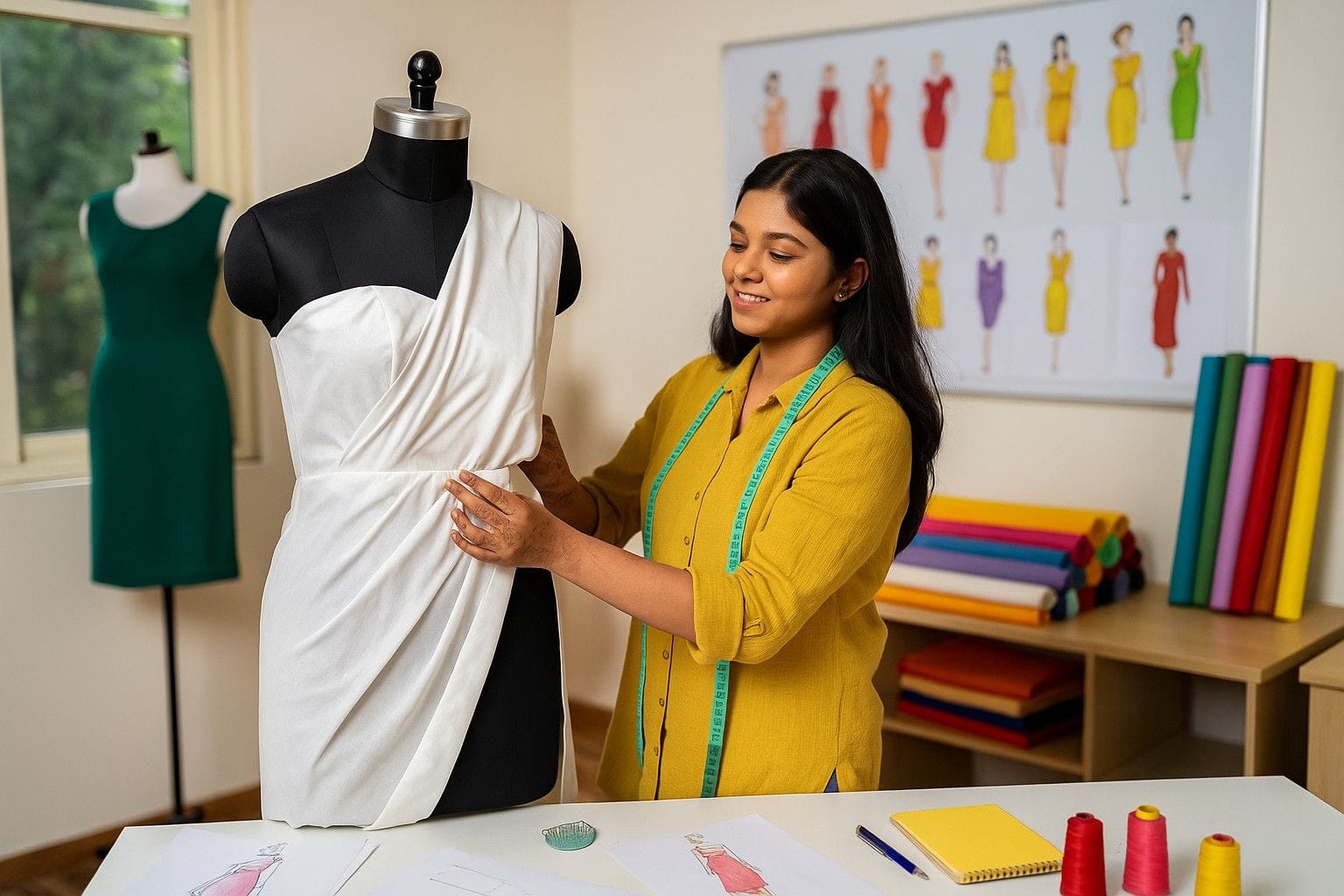
Fashion continues to shape culture, identity, and global trends - and behind every trend, there is a trained designer. Suppose you’ve ever wondered what a fashion design course is or how you can enter this creative and fast-growing field. In that case, this detailed guide explains everything, from eligibility and syllabus to career scope and course duration.
What Is a Fashion Designing Course?
A fashion designing course is a professional program that teaches students how to conceptualize, design, create, and market clothing, footwear, and accessories. It combines artistic creativity with technical skills, helping students transform ideas into wearable fashion.
Definition and Meaning of Fashion Designing
Fashion designing involves creating innovative garments and accessories that reflect cultures, aesthetics, trends, and individual expression. It blends art, craftsmanship, textile knowledge, pattern-making, sewing techniques, and business skills.
Why Students Choose Fashion Designing
Students choose fashion design because it offers a unique combination of creativity, fame, financial stability, and global opportunities. It allows learners to express their artistic talent while building a rewarding profession.
Relevance of Fashion Designing in Today’s Industry
Today’s fashion world is driven by sustainability, technology, digital fashion, and global consumerism. Skilled designers are needed to create designs that stand out in this competitive industry, making fashion design courses more relevant than ever.
Why Study Fashion Designing?
Growth of the Fashion Industry
The fashion industry in India and globally is booming, valued at billions of dollars and constantly expanding into new segments such as fast fashion, luxury couture, and eco-fashion.
Career Paths in Fashion
A fashion designing course opens opportunities such as:
- Fashion Designer
- Fashion Stylist
- Fashion Illustrator
- Merchandiser
- Textile Designer
- Costume Designer
- Fashion Blogger/Influencer
- Fashion Consultant
Entrepreneurial Potential
Many students start their own fashion label, boutique, e-commerce clothing brand, or styling agency after completing their studies.
Industry Demand & Trends
With trends shifting every season, the industry constantly needs skilled designers who understand consumer behavior, sustainability, and market trends.
Types of Fashion Designing Courses
Fashion education can be pursued at multiple levels depending on your goals.
Diploma / Certificate Courses
Duration: 6 months to 2 years
Best for students after 10th or 12th who want quick skill-based training.
Undergraduate Degrees (B.Des, BFA, B.Sc Fashion Design)
Duration: 3- –4 years
These are full-fledged degree programs offering in-depth design training.
Postgraduate Courses (M.Des, M.F.Tech, MBA Fashion)
Duration: 2 years
Ideal for advanced specialization and leadership roles.
Short-term / Foundation Courses
Duration: 3- –6 months
Perfect for beginners wanting to build basic design skills or portfolio development.
Fashion Designing Course Eligibility Criteria
Eligibility After 12th (UG Programs)
- Must have passed Class 12 from a recognized board
- Minimum marks: 40 - 50% (varies by institute)
- Entrance exams may be required: NID, NIFT, UCEED, or institute-level tests
- Portfolio submission may be needed
Eligibility After 10th (Diploma Courses)
- Students who have passed Class 10 can apply
- Best for those who want early entry into the fashion industry
- No major entrance exam required
Entrance Exams & Portfolio Requirements
Top colleges may require:
- Creative Ability Test
- Studio Test
- Personal Interview
- Drawing/Sketching Portfolio
Fashion Designing Course Duration
Course durations vary depending on the level:
- Certificate Courses - 3 to 12 months
- Diploma Courses - 1 to 2 years
- Undergraduate Courses (B.Des/B.Sc) - 3 to 4 years
- Postgraduate Courses - 2 years
Semester-wise Structure
Degrees are divided into 6 - 8 semesters, covering design, technology, marketing, internships, and final projects.
Part-Time / Distance / Online Courses
Several institutes offer flexible learning for working professionals and beginners who prefer remote learning.
Fashion Designing Course Syllabus & Subjects Covered
A typical fashion designing syllabus covers both creative and technical subjects.
Core Design Subjects
- Elements of Design
- Color Theory
- Fashion Illustration
- Art & Aesthetics
- History of Costume & Fashion
Technical Subjects
- Pattern Making
- Draping
- Garment Construction
- Textile Science
- Fashion CAD
- Surface Ornamentation
- Fashion Technology Tools
Business & Management Modules
- Fashion Marketing
- Merchandising
- Retail Management
- Fashion Business Strategies
- Entrepreneurship
Additional Learning Modules
- Portfolio Development
- Fashion Shows & Live Projects
- Internships
- Industry Workshops
Fashion Designing Course in Mumbai
Why Mumbai?
Mumbai is India’s fashion capital, home to major designers, production houses, fashion shows, and Bollywood stylists. It offers unmatched exposure and industry networking.
Top Institutes in Mumbai
- ITM Institute of Design & Media
- NIFT Mumbai
- Pearl Academy
- INIFD Bandra
- FAD International
Cost, Infrastructure & Industry Connections
Mumbai institutes offer world-class labs, CAD studios, fashion libraries, and internship opportunities with top designers and brands.
Fashion Designing Course After 12th
After Class 12, students can choose:
Popular UG Courses After 12th
- B.Des Fashion Design
- B.Sc Fashion Designing
- B.A Fashion Studies
- B.F.Tech Apparel Production
Diploma vs Degree
- Degree programs offer deeper knowledge, better placements, and global opportunities
- Diplomas are shorter, more affordable, and skill-focused
Fee Range & Financial Consideration
₹80,000 - ₹5,00,000 annually, depending on institute reputation, labs, and facilities. Scholarships are available in many colleges.
Fashion Designing Course After 10th
Diploma Options Post-10th
- Diploma in Fashion Design
- Diploma in Garment Technology
- Diploma in Textile Design
- Certificate in Boutique Management
Duration & Career Path
1 - 2 years, leading to jobs like assistant designer, tailor master, boutique assistant, merchandiser trainee, etc.
Pros & Cons
Pros: Early career start, affordable, skill-based
Cons: Limited theoretical depth compared to degrees
Specializations / Types of Fashion Designing Courses
Common specializations include:
- Textile Design
- Knitwear Design
- Accessory Design
- Fashion Communication & Styling
- Sustainable Fashion
- Footwear Design
- Luxury Fashion Design
How to Choose the Right Fashion Designing Course
Factors to Consider
- Duration
- Fees
- Institute reputation
- Placement record
- Curriculum quality
- Infrastructure & labs
Accreditation & Recognition
Choose institutes approved by UGC, AICTE, or recognized boards for better career prospects.
Portfolio vs Exam-Based Admission
Some colleges focus on creative portfolios, while others require NIFT/NID/UCEED-like tests.
Aligning Course With Career Goals
Choose a specialization that matches your long-term interests - design, styling, business, or textiles.
Career Opportunities After Course Completion
Fashion designing offers countless career options, such as:
- Apparel Designer
- Fashion Stylist
- Costume Designer (Film/TV)
- Fashion Illustrator
- Merchandiser
- Sampling Coordinator
- Fashion Entrepreneur
- Trend Forecaster
- Sustainable Fashion Specialist
With the rise of digital platforms, students can also build careers in fashion blogging, content creation, and e-commerce branding.
Tips to Succeed in Fashion Designing Course
- Build a strong portfolio
- Do regular internships and live projects
- Network with designers and industry experts
- Stay updated with trend forecasts
- Master digital tools like Adobe Illustrator, CLO 3D, CAD software
Conclusion
Choosing to pursue fashion designing is more than selecting a course - it’s choosing a creative lifestyle, a unique career identity, and a dynamic industry filled with innovation and global relevance. By now, you clearly understand what is fashion designing course, what it teaches, and how it shapes students into skilled designers ready to create an impact. A fashion designing course is not just about learning how to make garments; it’s about mastering the art of visual storytelling, understanding consumer psychology, exploring textile science, and developing the business acumen required to thrive in today’s fashion landscape.
For students after 10th or 12th, fashion designing offers an exciting opportunity to turn creativity into a professional advantage. Whether you dream of launching your own label, working with luxury brands, leading design teams, or becoming a stylist to celebrities, the right course lays the foundation for long-term success. With the industry evolving every year through sustainability, digital fashion, and global trends, the demand for innovative designers continues to rise, making this field more promising than ever.
If you’re passionate, curious, and ready to explore your artistic potential, a fashion designing course can be your gateway to endless possibilities. Institutes like ITM Institute of Design & Media (Mumbai) offer industry-aligned curriculum, expert faculty, cutting-edge labs, and strong internship opportunities - helping you develop not just skills, but a powerful portfolio that stands out in the competitive fashion world.
Start your journey today, explore your creativity, and step confidently into a career that blends art, technology, craftsmanship, and entrepreneurship. Fashion is more than clothing - it’s a global language, and this is your chance to learn it fluently. Let your imagination shape the future of fashion!
FAQs on What is a Fashion Designing Course?
What is the minimum eligibility for a fashion designing course?
Minimum eligibility is Class 12 for UG courses and Class 10 for diploma courses.
How long does a fashion designing course take?
Anywhere between 6 months to 4 years, depending on the program level.
Can I do fashion designing after 10th?
Yes, you can pursue diploma or certificate courses after 10th.
What are the entrance exams for fashion design colleges?
NIFT, NID, UCEED, CEED, or institute-level design aptitude tests.
What career can I get after completing this course?
You can work as a designer, stylist, merchandiser, fashion entrepreneur, or illustrator.
Is fashion designing a good career choice?
Yes, it's a creative field offering high income potential, global exposure, and diverse opportunities.
What’s the difference between a diploma and degree in fashion designing?
A degree offers deeper training and better placements, while a diploma is shorter and skills-focused.

